
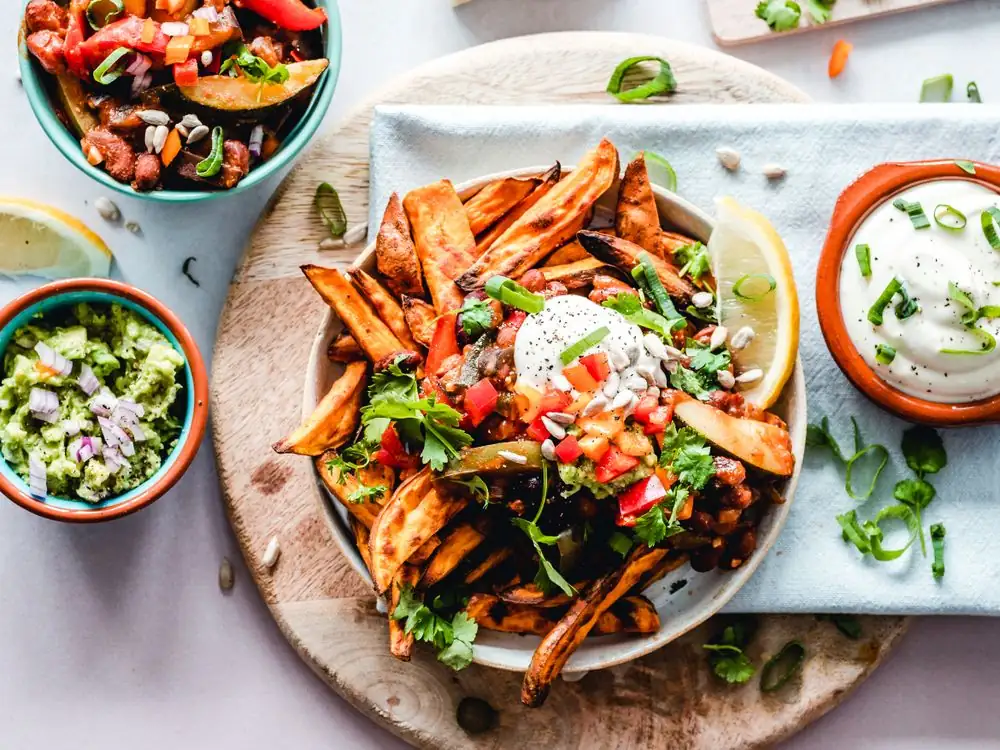
High-Protein Home Recipes Popular With UK Fitness Crowds
Across the UK, fitness has quietly become part of everyday life. Gyms are busier, running clubs are growing, and more people are thinking about what fuels their bodies, not just what fills them up. With that shift has come a growing interest in high-protein home cooking that feels realistic, affordable, and enjoyable.
Gone are the days when “high-protein” meant bland chicken and dry rice. Today’s UK fitness crowd wants meals that support training goals while still tasting like proper food. Comfort matters. So does convenience.
This guide explores why high-protein home recipes are so popular, what ingredients UK households rely on, and how to build meals that work whether you train five days a week or just want to feel fuller for longer.
Why Protein Has Become a Kitchen Priority
Protein plays a key role in muscle repair, satiety, and overall health. For active people, it helps recovery after workouts. For everyone else, it helps keep hunger at bay and supports steady energy levels.
In the UK, many people are moving away from ultra-processed protein bars and powders and instead focusing on food-first protein sources. This approach feels more sustainable and fits better into everyday routines.
Home cooking gives full control over portions, ingredients, and flavour. It also avoids the common pitfall of “healthy” convenience food that is expensive and not particularly filling.
What Makes a Good High-Protein Home Meal
A successful high-protein meal does not need to be complicated. In fact, the most popular recipes among UK fitness-focused households share a few key traits.
They are:
-
Easy to prepare after work
-
Made with accessible supermarket ingredients
-
Balanced with carbohydrates and fats
-
Filling without being heavy
Meals that hit these points are more likely to be cooked regularly, which matters far more than chasing perfection.
Protein Staples in UK Kitchens
High-protein cooking at home starts with dependable ingredients. In the UK, the most commonly used protein sources include eggs, chicken, turkey, Greek yoghurt, cottage cheese, lentils, chickpeas, beans, tofu, fish, and lean mince.
These ingredients are widely available, affordable, and easy to use in familiar dishes. They also work well across different cuisines, which helps keep meals interesting.
Frozen options such as fish fillets or cooked chicken strips are also popular, especially for busy evenings.
High-Protein Breakfasts That Actually Satisfy
Many people start their protein intake at breakfast, especially those who train in the morning.
Simple options include eggs on wholemeal toast, Greek yoghurt with fruit and seeds, or cottage cheese with savoury toppings. These meals take little time but offer long-lasting fullness.
Protein-rich breakfasts are particularly popular among people who used to rely on sugary cereals and found themselves hungry again by mid-morning.
Lunchtime Protein Without the Meal Deal Slump
For lunch, fitness-focused home cooks often turn to leftovers or quick assembly meals.
High-protein wraps, grain bowls with lentils or chicken, and soups made with beans or pulses are common choices. These meals are easy to prep in advance and transport well.
Importantly, they avoid the energy crash that often follows low-protein, high-refined-carb lunches.
High-Protein Dinners That Feel Like Real Food
Dinner is where high-protein cooking really shines. UK fitness crowds are not interested in eating like bodybuilders every night. They want meals that feel comforting and social.
Popular options include:
-
Lean mince chilli with beans
-
Baked salmon with potatoes and vegetables
-
Chicken and vegetable stir-fries
-
Lentil-based curries or stews
-
Protein-rich pasta dishes using beans or yoghurt-based sauces
These meals look and taste familiar, which makes them easier to stick with long term.
Balancing Protein With Carbs and Fats
One of the biggest misconceptions about high-protein eating is that it means cutting everything else. In reality, balanced meals perform better for both fitness and enjoyment.
Carbohydrates support training and recovery. Healthy fats support hormone health and flavour. Protein works best when paired with both.
UK home cooks who maintain balance are more likely to enjoy their meals and avoid burnout or cravings.
Protein for Non-Gym-Goers
You do not need to be a fitness enthusiast to benefit from higher-protein meals. Many people adopt these recipes simply because they feel fuller, snack less, and enjoy more stable energy levels.
Parents, office workers, and older adults are all embracing protein-focused meals for these reasons. The appeal is practical, not extreme.
Keeping High-Protein Cooking Affordable
Cost matters. The most successful high-protein home recipes use budget-friendly ingredients and avoid unnecessary extras.
Buying in bulk, using tinned pulses, choosing frozen fish, and cooking from scratch all help keep costs manageable. Many UK households find that protein-focused meals are no more expensive than takeaway-heavy routines.
Making It Sustainable Long Term
Consistency beats intensity. Fitness crowds who cook at home regularly do so because the meals fit their lives.
They rotate recipes, allow flexibility, and avoid rigid rules. This relaxed approach keeps cooking enjoyable and sustainable.
If a meal supports your health and tastes good, it is far more likely to stay on the menu.
Final Thoughts
High-protein home recipes have earned their place in UK kitchens because they deliver on what people actually need. They are filling, practical, and adaptable.
For fitness-focused households, they support training and recovery. For everyone else, they simply make daily eating easier and more satisfying.
Thank you for reading. I hope this guide helps you build meals that support your goals while still feeling like proper food.
Also Read – Comfort Food Recipes That Feel Homemade, Not Heavy
FAQs
Are high-protein meals only for people who go to the gym?
No. Protein helps with fullness and energy for everyone, not just fitness enthusiasts.
How much protein does an average adult in the UK need?
Needs vary, but most adults benefit from spreading protein intake across meals rather than focusing on one large portion.
Can high-protein meals be vegetarian?
Yes. Lentils, beans, tofu, eggs, and dairy all provide good protein sources.
Do high-protein diets mean cutting carbohydrates?
No. Balanced meals with carbs, fats, and protein work best for energy and sustainability.
Are high-protein home meals expensive?
Not necessarily. Using pulses, eggs, and frozen foods can keep costs low.