
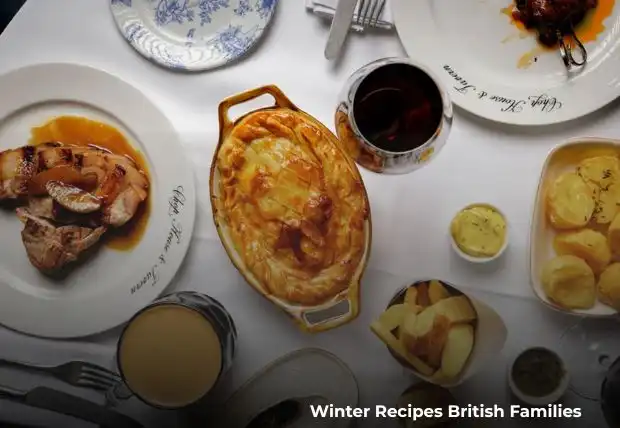
Easy Winter Recipes British Families Actually Cook
Winter in the UK has a way of changing how we eat. Shorter days, colder evenings, and the constant debate over whether the heating really needs to be on all day all push us towards the same thing: warm, filling food that feels familiar.
British families tend to cook very differently in winter compared to summer. Salads quietly disappear, and meals start to revolve around pans, ovens, and dishes that steam up the kitchen windows. The key is not complexity, but comfort.
This guide looks at the easy winter recipes British families actually cook. Not the glossy magazine versions, but the real meals that appear on tables up and down the country when it is cold, dark, and everyone is hungry.
What Makes a Proper British Winter Meal?
A good winter meal in a British household usually ticks a few boxes.
It should be warming without being heavy, filling without being expensive, and easy enough to cook after a long day. Most families rely on simple techniques, familiar ingredients, and recipes that can be adjusted depending on what is already in the fridge.
Winter cooking is also practical. Dishes that reheat well, stretch across more than one meal, or use cupboard staples are always favourites.
The Classics That Never Really Leave
Some winter recipes never fall out of rotation because they simply work.
Stews and casseroles are a prime example. Whether it is a vegetable stew, beef casserole, or lentil-based version, these dishes simmer gently, fill the house with comforting smells, and taste even better the next day.
Soups are another staple. Potato and leek, tomato, lentil, or vegetable soup made from odds and ends in the fridge. Served with bread, soup is one of the most common winter meals in the UK because it is affordable and endlessly adaptable.
Then there are traybakes. Sausages, potatoes, carrots, and onions tossed together and roasted. One tray, minimal washing up, maximum comfort.
Weeknight Winter Cooking: Keeping It Simple
Most British families are not cooking elaborate meals on a Tuesday night in January. The focus shifts to meals that can be made quickly without much thought.
Pasta dishes become popular because they are filling and easy to scale. Tomato-based sauces, creamy mushroom pasta, or pasta tossed with roasted winter vegetables appear often.
Pan-based meals also dominate. Stir-fried cabbage with onions, quick noodle dishes, or rice cooked with frozen vegetables and stock. These meals feel warming without taking hours.
Winter cooking is less about perfection and more about getting everyone fed.
Using What You Already Have
One of the most realistic aspects of British winter cooking is how much it relies on what is already in the house.
Frozen vegetables play a bigger role in winter. Peas, sweetcorn, spinach, and mixed vegetables add colour and nutrition without extra trips to the shop.
Tinned foods also come into their own. Tinned tomatoes, beans, chickpeas, and lentils form the base of many winter meals. Combined with onions, garlic, and stock, they become hearty dishes with very little effort.
This approach keeps costs down and makes cooking feel manageable when energy levels are low.
Comfort Without Overdoing It
British winter food has a reputation for being heavy, but modern family cooking has shifted slightly. People still want comfort, but without feeling weighed down.
Vegetable-based dishes are more common now, even in households that regularly eat meat. Roasted vegetables, vegetable stews, and pan-fried greens provide warmth without excess richness.
Spices and seasoning are used gently. A bit of black pepper, herbs, garlic, or a splash of soy sauce can lift a dish without making it unfamiliar.
The goal is food that feels kind to you, not something that leaves you needing a lie-down.
Meals That Stretch Across the Week
Winter meals often do double duty. A large pot cooked on Sunday becomes lunches or dinners later in the week.
Chilli, stew, soup, and curry are popular for this reason. They reheat well and often taste better after a day or two.
This style of cooking saves time and reduces stress. Knowing there is something ready in the fridge makes cold evenings easier to handle.
Cooking for Families, Not Just Recipes
British winter cooking is shaped by family life. Meals need to suit different tastes, be flexible, and not cause arguments at the table.
That is why dishes are often customisable. Extra spice added at the end. Cheese sprinkled on top for some, left off for others. Meat served on the side rather than mixed in.
This adaptability is one of the reasons certain winter meals remain popular year after year.
Making Winter Cooking Feel Enjoyable
Cooking in winter does not have to feel like a chore. Small habits make it easier.
Keeping a short list of reliable winter meals removes the daily decision-making. Batch cooking once or twice a week saves effort. Letting meals simmer while you relax makes cooking feel less rushed.
And occasionally, accepting that beans on toast is a perfectly valid winter dinner helps too.
Final Thoughts
Easy winter recipes British families actually cook are not about trends or presentation. They are about warmth, practicality, and feeding people well when the weather is not on your side.
These meals have lasted because they fit real lives. They use simple ingredients, familiar techniques, and provide comfort without fuss.
If winter cooking sometimes feels repetitive, that is not a failure. It is a sign that you have found what works.
Thank you for reading. I hope this guide helps make winter evenings feel a little warmer and a lot easier.
Also Read – Lighter Versions of Traditional British Dishes That Still Taste Right
FAQs
What are the most common winter meals in British households?
Stews, soups, traybakes, pasta dishes, and simple pan meals are the most common because they are warming, affordable, and easy to prepare.
Are winter recipes usually more expensive to cook?
Not necessarily. Many winter meals rely on tinned, frozen, and root vegetables, which are often cheaper and last longer.
How can I make winter meals healthier without losing comfort?
Use more vegetables, reduce heavy sauces, and rely on herbs and seasoning rather than excess fat for flavour.
What meals work best for batch cooking in winter?
Soups, stews, chilli, curry, and casseroles all reheat well and often taste better the next day.
How do families manage cooking when evenings are busy?
By rotating a small set of reliable recipes, using leftovers wisely, and keeping meals flexible for different tastes.